Abe's Run Dispersed Camping: Bartow, WV
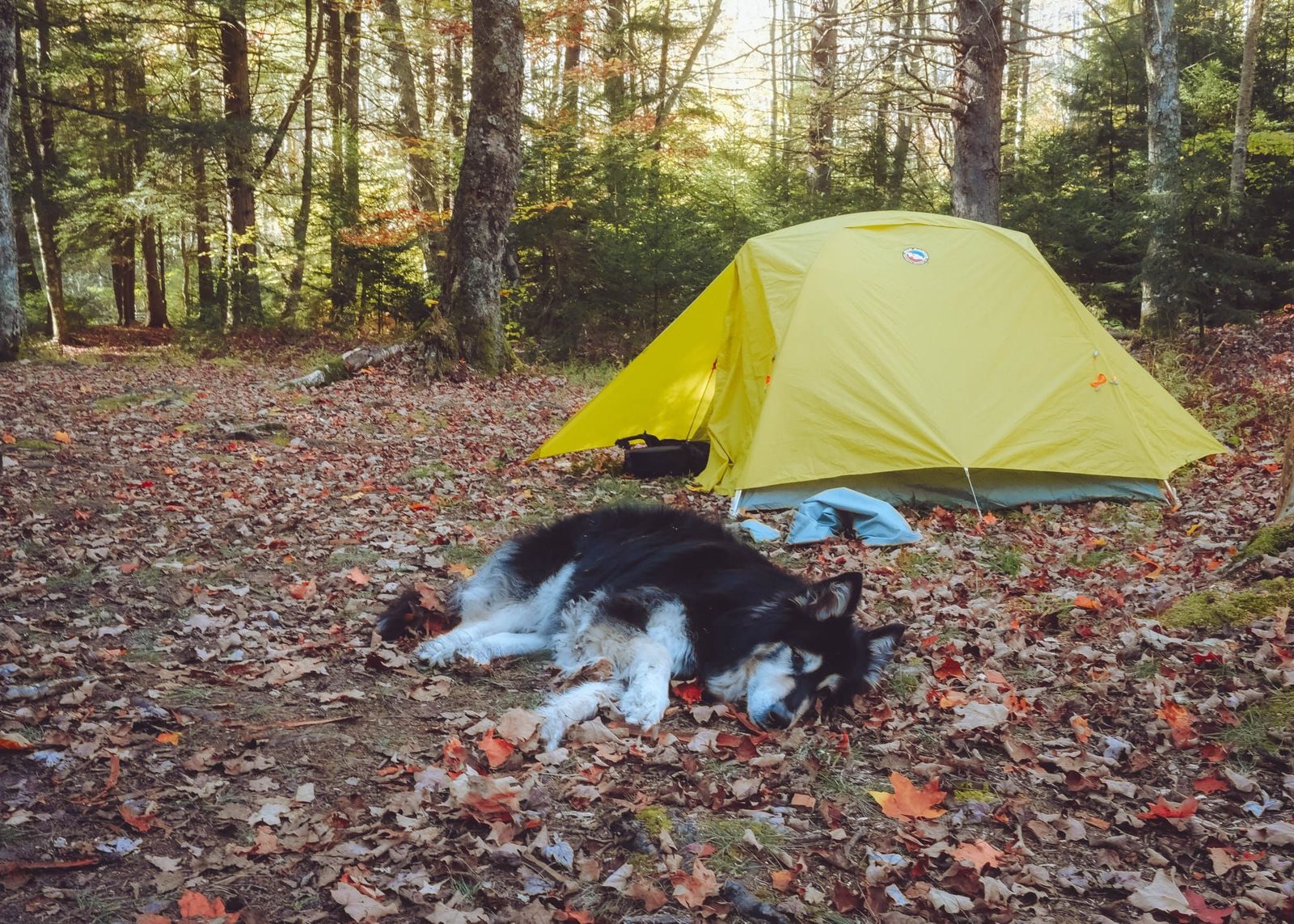
It’s a lot easier to review a hotel room than a campsite because hotel rooms mostly exist on a nice to gross spectrum that most people can agree on. No one that isn’t a pervert is desiring a hotel with shared bathrooms and a broken air conditioner. Same thing at the other end of the spectrum: Some people might be intimidated by a five-star property and/or irritated at minibar prices or tipping etiquette, but most of us can agree that a Four Seasons hotel is indeed nice. Normal people prefer nice to gross.
Camping is different because it requires us to agree on what camping even is, which itself forces us to consider why people camp. You can see the issue on the website the Dyrt, which is a directory of campsites of all kinds. There’s an imperfect spectrum represented here, an added dimension, that goes beyond five stars-to-zero stars, nice-to-gross. This dimension is simply a measure of how hard you’re camping.
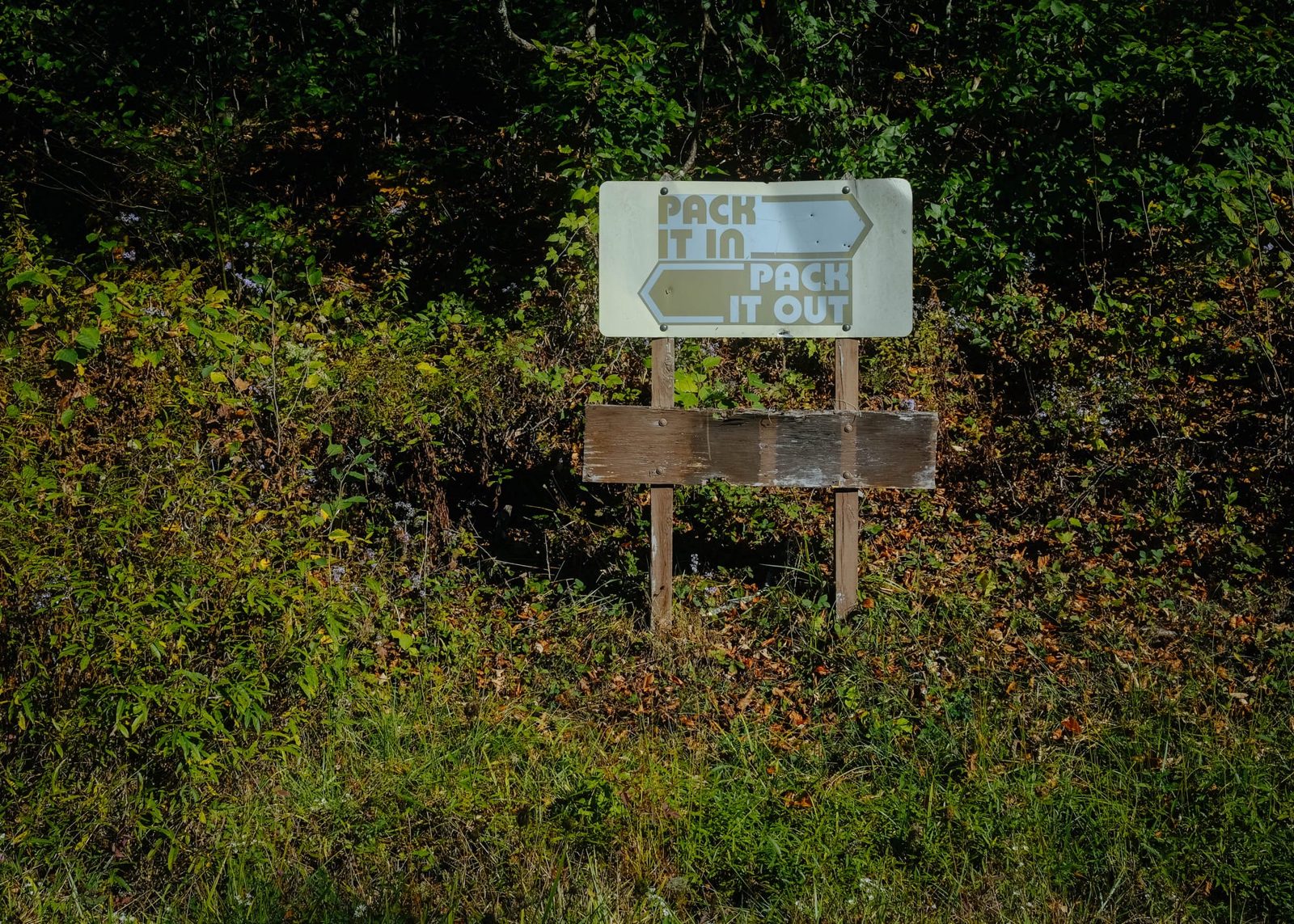
At one end of the spectrum is the full-service, amenity-rich RV park. This is camping at its most soft. An RV park might have pools, restaurants, wifi. It can be anywhere geographically without changing the nature of the park. At the other end is backcountry wild camping, which requires hiking to access, a tent, and the ability to dig a cathole. This is hard camping.
Then, there’s a lot in between, from car-accessible dispersed camping to state park campgrounds with electrical outlets to full-on glamping, a luxury-minded full-service camping experience that breaks the spectrum in a few ways. Glamping is truly soft camping, but it’s at least in the woods. See, for example, my old neighbor Dunton Hot Springs in Colorado: There’s legitimate outdoor stuff to do there, but you’re never going to be uncomfortable and the food is reportedly exquisite.
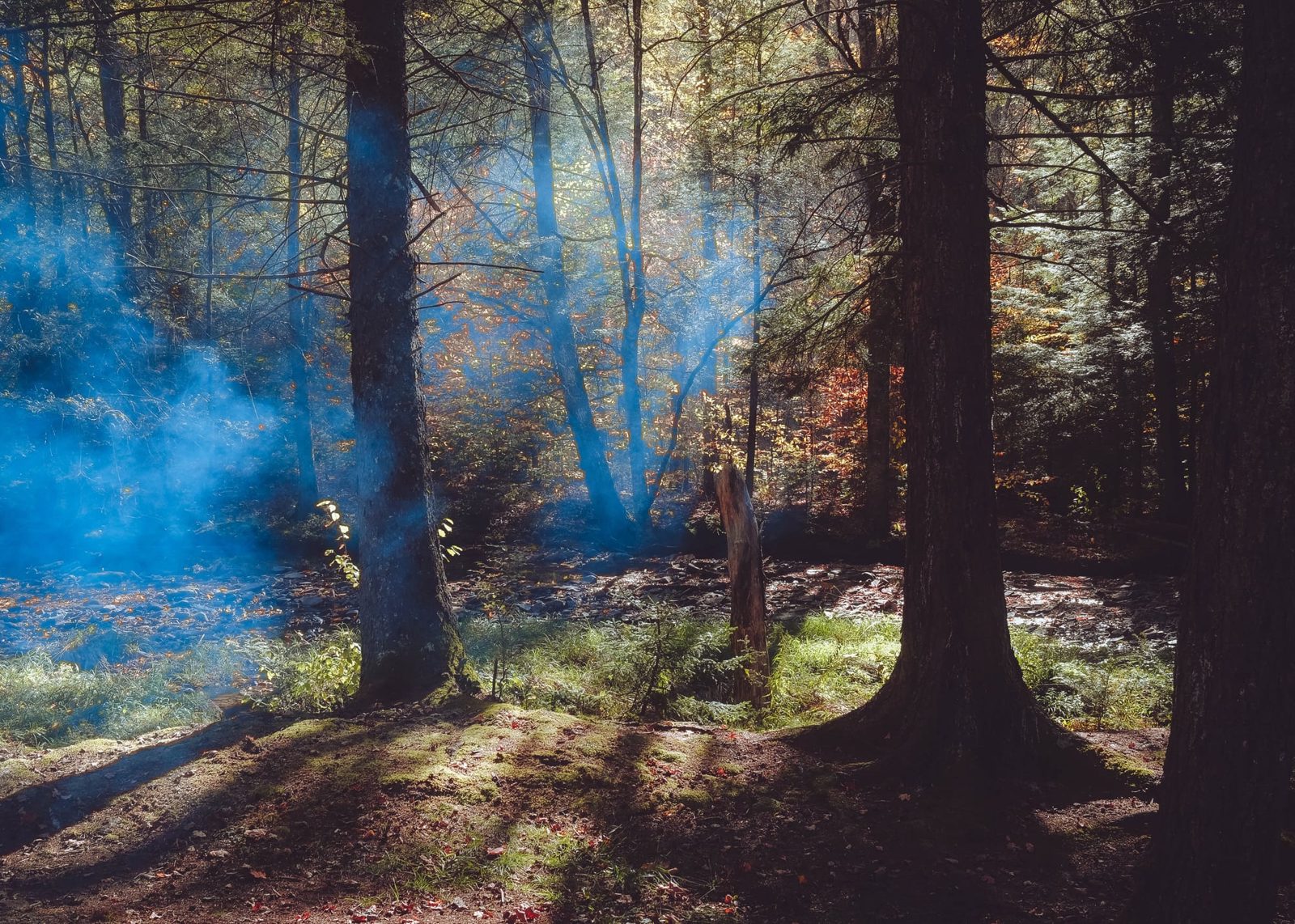
This was all something to chew on while falling asleep on a recent weekend night in Monongahela National Forest in West Virginia. A small dispersed campsite informally known as Abe’s Run was the scene and the ambiance was a generator whining just loud enough to drown out the burbling of the East Fork of the Greenbrier River. Here, several miles from the nearest paved road and some 200 feet from our own campsite, was a cluster of RVs sucking on electricity. For what? TV? A hot shower? Unknown.
This brings us to the most postmodern variety of camping: boondocking. Boondocking is broadly synonymous with dispersed camping—camping free on public land in unofficial sites that don’t have things like power or water—but is usually taken to involve an RV and not tents. (Tent people just say dispersed camping.) Boondocking is making the RV park portable (and, crucially, free).
You can get deeper into the woods than Abe’s Run, but it’s not exactly a convenient locale. The sites live at the end of the moderately bumpy Abe’s Run Road, which is around three or four miles deep from the paved WV-28. 28 will eventually connect with US 220 an hour to the north at Petersburg and from there you can find your way back to Washington DC or Baltimore, each four to five hours drive from the campsite.
There are four unmarked and undeveloped campsites at Abe’s Run. These are clearings with firepits, basically. Two require a crossing of the East Fork of the Greenbrier River that should be done with something more appropriate than a Volkswagen Golf. Three of the sites have frontage on said creek, which is nice for swimming dogs and, theoretically, for falling asleep to. Passing through the middle of the campsites is a reasonably well-used trail terminating five miles to the south at a developed Forest Service campground and four or so miles to the north at an area called Pig Ears. (Livestock at Pig Ears is one reason it’s not advised to drink from the river here; the other reason is campers.) Not far south along this trail find a substantial waterfall.
RV boondockers are a common sight at literally any camping area that can possibly be accessed by them. If you spend some time in the user reviews sections of campground listings on the Dyrt, you’ll notice that an entire genre of review revolves around RV accessibility. And, according to the Dyrt’s 2025 Camping Report, most camping in the United States is done via RV (45.1 percent), beating out tent camping (31 percent) by a wide margin. Abe’s Run is hardly immune or an exception.
-- michael byrne