Firefly Inn: Wardensville, WV
A few miles southwest of Wardensville on US Route 48, a traveler is presented with the choice between two different versions of rural West Virginia. Head due south along the Lost River to the small LGBTQ enclave of Lost City with its fishing holes, rehabbed farmhouses, and Artisan’s Cooperative, or continue on an ostentatious and usually empty freeway segment to Moorefield, home to three poultry processing plants, a drab grey downtown, and, recently, a valley-spanning freeway overpass.
Fifteen years ago, Wardensville was a (much: pop. 271) smaller version of Moorefield. Its similarly dreary main street was home to liquor stores, bars, and empty storefronts. By West Virginia standards, it was fine; it gets much worse in the United States’ fourth-poorest state. But Wardensville is also in a beautiful mountain location and happens to be just 90 minutes from Washington DC.
I won’t retell the whole story of Wardensville’s rapid revitalization (start here) and its attendant conflicts with local homophobes and Klan membership, but nowadays find a coffeeshop, farm-to-table restaurant, upmarket shops, probably an art gallery or two. It’s a different place.
This owes primarily to the efforts of an enterprising gay couple from Washington DC, regular visitors to Lost City, aka “Provincetown on the Potomac,” a few miles upstream. From the piece linked above:
It started with an old feed store that came up for sale in 2013. [Donald] Hitchcock and [Paul] Yandura bought it and turned it into the Lost River Trading Post, a hybrid coffee shop, art gallery, and home-goods store. They also bought the house next door, moved in, and raised a gay-pride flag out front.
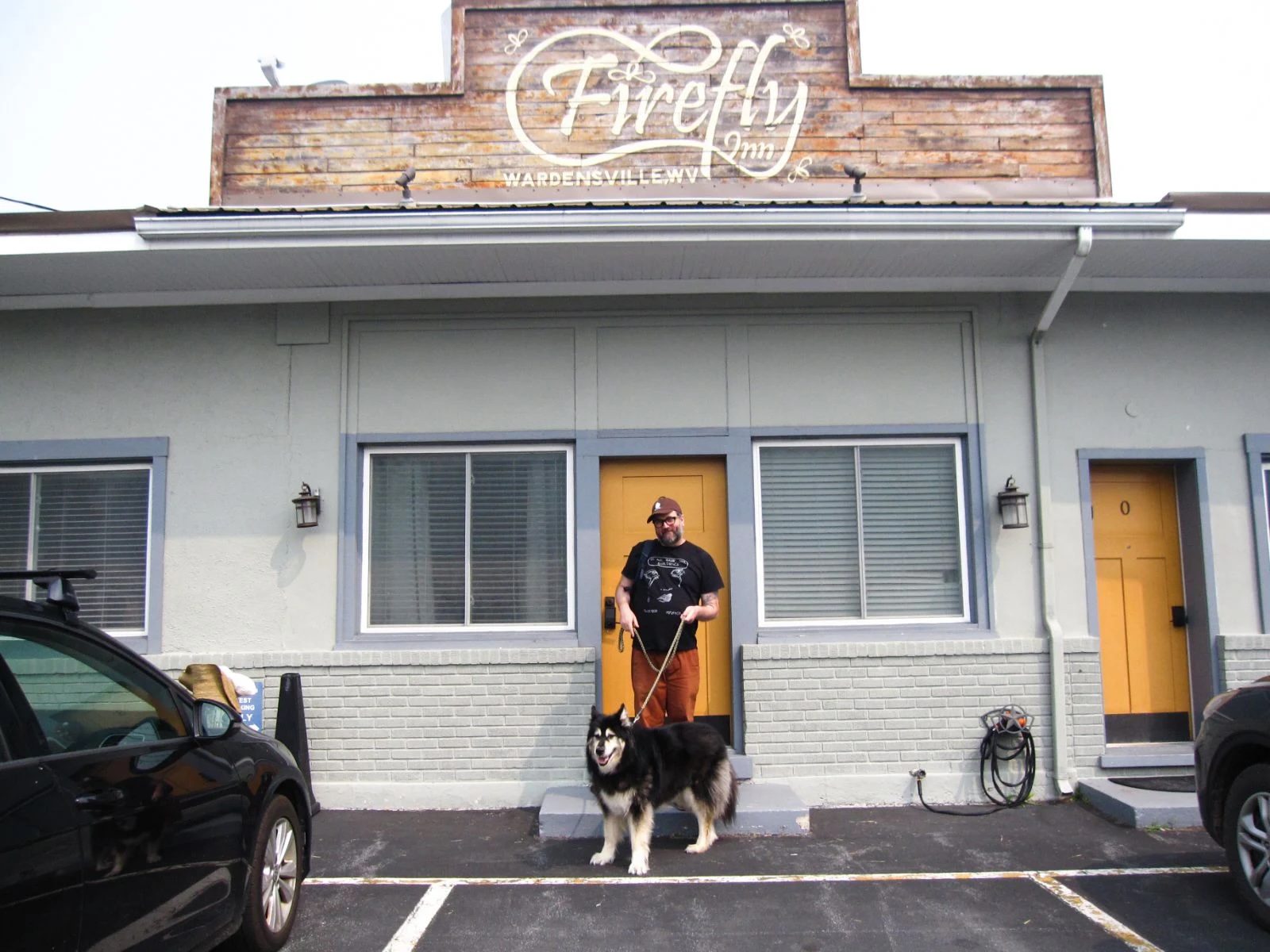
Among many new Wardensville imports over the ensuing few years was a SpaceX analyst named Sally Weaver, also from the DC area. In 2016, she opened the Firefly Inn, a four-room keypad boutique (artisanal?) motel with a satellite TV setup that, on a recent weekend night, got us hooked on Alone.
The Firefly is a very small motel and kind of oddly shaped, which results in an interesting selection of rooms, ranging from a normal motel king room (“Marlene’s Room,” named for the owner of the property’s prior occupant, See’s Motel) to the “super cozy” “Trout Run” room with a full-size bed. We stayed in a somewhat peculiar, somewhat tight double-twin room (“Lost River”). Beds were comfortable/plush and the room itself was stylishly muted and reserved, though spiced up a little by bright artwork. An interesting feature of a motel this narrow is that you get windows on both the front and the back of the room, which is kind of like sleeping in a breezeway and also a little loud.
We did not make it to the Trading Post this time around, but did get dinner from Mack’s Bingo Kitchen. This included a surely blasphemous pepperoni roll (way too good to be authentic), a West Virginia state food that traces back to Italian immigrant coal miners. Mack’s is part of the Farms Work Wonders collective that runs five local businesses (also a farm/farm stand, glass blowing place, and bakery) with the goal of “experiential education” for Appalachian youths. Seems pretty cool.
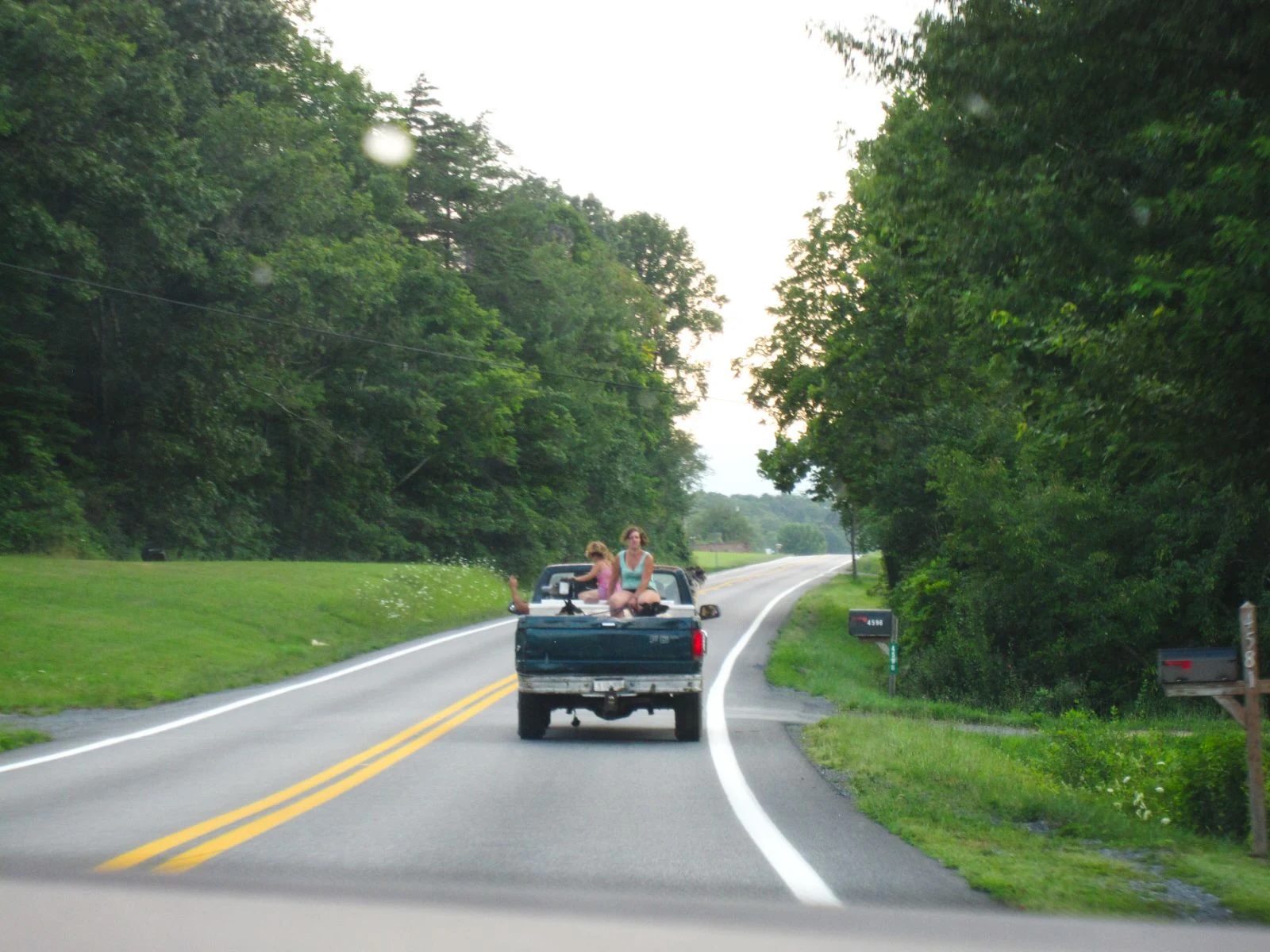
The proprietress of See’s Motel, Marlene See, passed away in 2012, just a year before Wardensville began its big transition. A note from Patrick Ford, then the town manager of Wardensville, left on TripAdvisor in 2011 offers the briefest look back. “This is a lovely business,” he wrote of See’s. “It has been in the family for generations.” Rooms, according to Ford, could be had for less than $50 a night and came with a home-cooked brownie, at least when Marlene wasn’t abstaining for Lent.
According to Compass, See’s Motel sold in 2012 for around $43,000. Which is not a lot of money at all. It’s a figure that puts into relief What We’re Really Talking About when we talk about revitalizing depressed West Virginia towns. Would Moorefield, down the other fork, be a better place with glass blowing demonstrations and wood-fired pizzas and cool stuff for DC tourists?
Yeah, I don’t know either. It sort of like asking what’s the soul of a place and does it even matter if everyone is dying anyway. My dad lives somewhere like that in southern Illinois: an ex-coal mining town. I don’t think he’d make an argument for it in terms of amenities or climate or natural beauty (maybe poltics), but it is the place he grew up and it’s where he has family. So it’s his home.
-- michael byrne
nothing yet.
reply on bluesky